High-Resolution CMOS Dental X-Ray Sensor | Digital RVG Intraoral Sensor 500
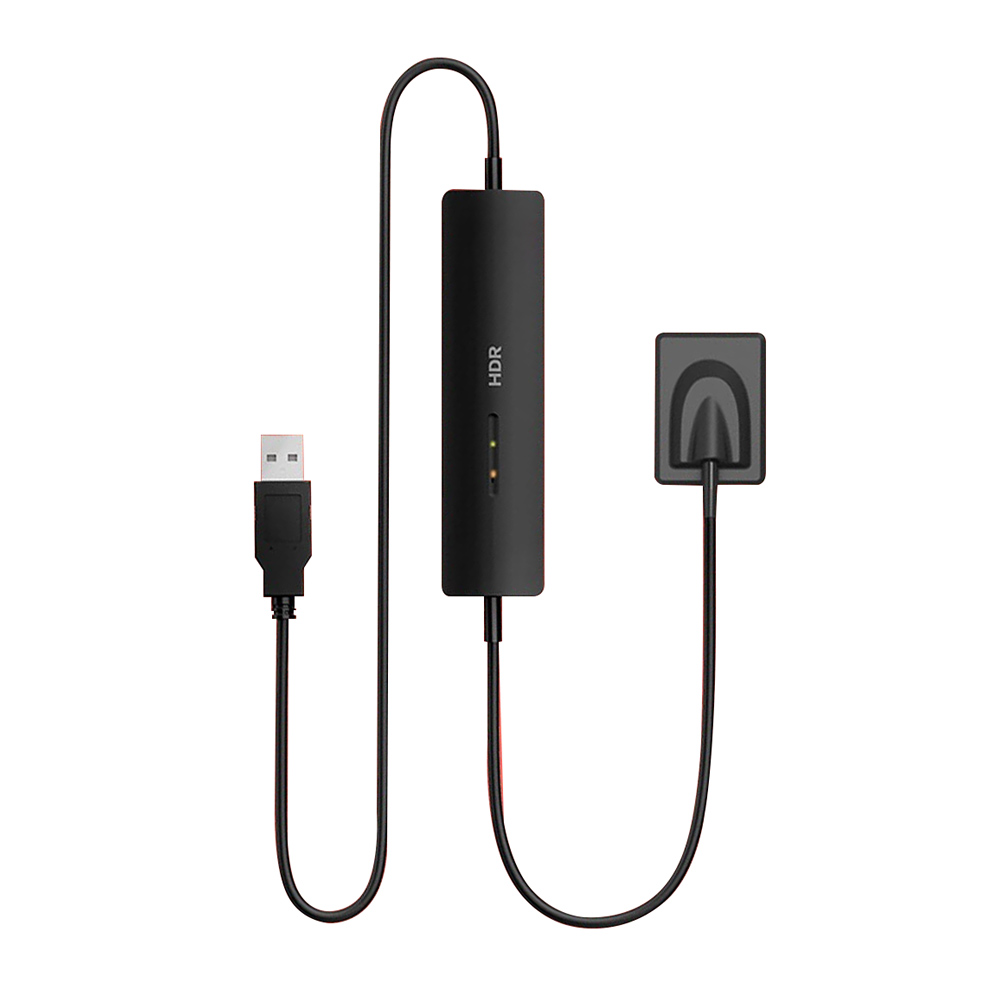
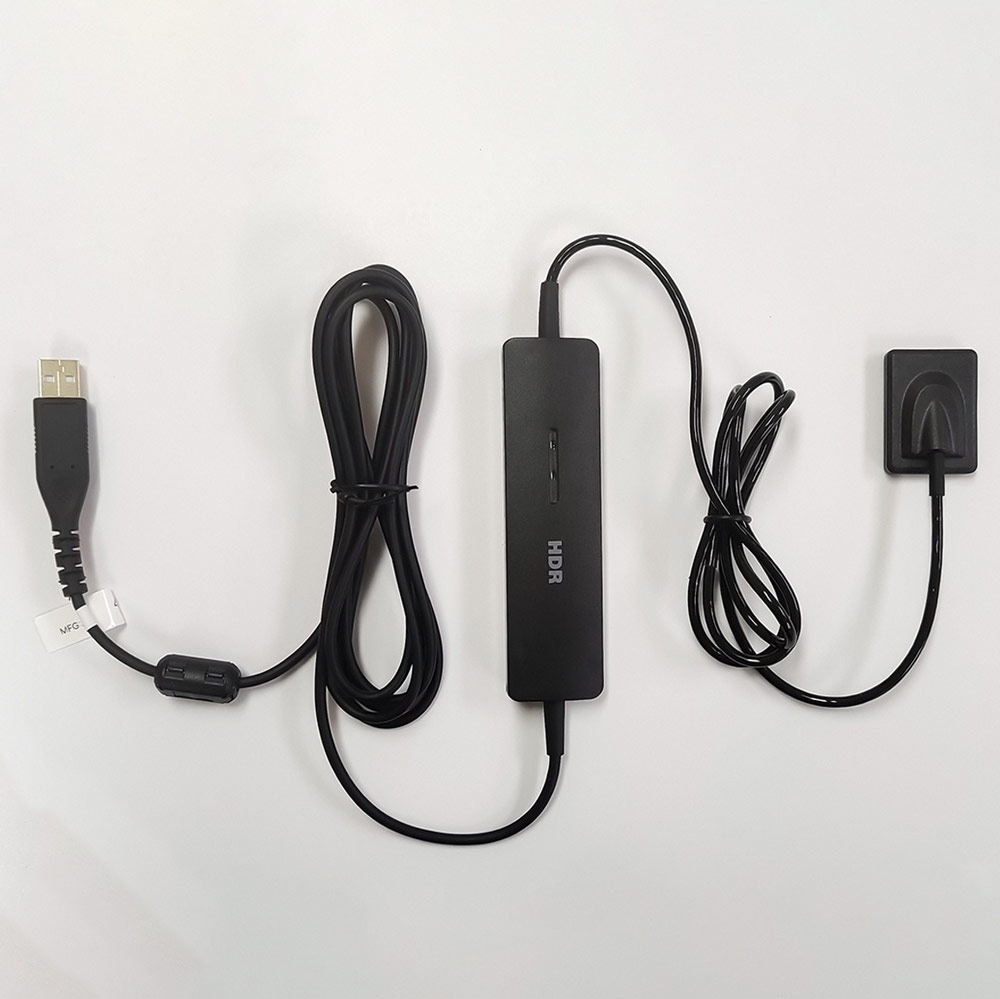
High-Resolution RVG Sensor for Digital Intraoral X-Ray Imaging
AI Function
Size 1.3 the perfect fit + Fiber optic plate protect technology + Wide dynamic range + See natural detail with confidence + Powerful imaging software with Al
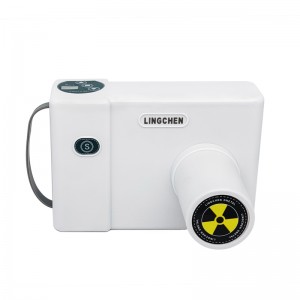
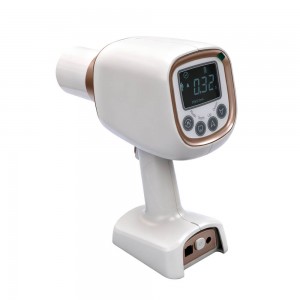
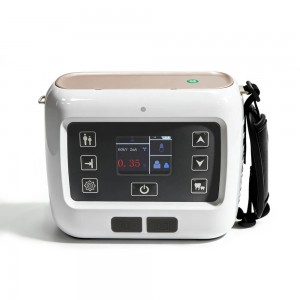
Compatible with different X-ray units

Why LINGCHEN RVG SENSOR 500?
Core Advantages

01
Powerful ImagingSoftware with Al
Imaging management software, instant smart analysis, downloadable report, highlights structure, pathology, restorations. Supports patient communication, user-friendly interface, Advanced image processing tools Windows / Android / Mac / Linux

02
Fiber Optic Plate(FOP) Technology
Clarity & Longevity
Extends sensor lifespan, reduces noise for sharper image clarity. FOP protects CMOS and the circuit board from direct X-ray exposure, helping maintain image performance and long-term reliability.

03
Radiovisiography(RVG) Sensor
CMOS Type
Intraoral X-Ray imaging, digital imaging, pixels 1600*1200, pixel size 18.5 μm, thickness 6 mm
Detailed Features

Size1.3 the perfect fit
· Matches the average molar length (22.5mm)
· Full-molar imaging in 1 take
· Pediatric & Adult applications

Wide Dynamic Range(WDR)
Perfect images,even with imperfect settings.
· Wide exposure range
· Compatible with different X-ray unitsLess demanding on operator experience
· Consistent results
· Fewer retakes

High-Resolution See Natural Details
· 18.5 μm pixel size
· 27 Ip/mm Theoretical Resolution, preserves fine detail with minimal image enhancement.
Technical Specifications
| Parameter | RVG X-Ray Sensor 500 |
| FOP | Yes |
| Scintillator | Csl |
| Dimension | 39 x 27.5 mm |
| Active Area | 30 x22.5 mm |
| Pixel Size | 18.5 μm |
| Pixels | 1600*1200 |
| Resolution | 27 Ip/mm |
| Power Consumption | 600 mW |
| Thickness | 6mm |
| Control Box | Yes |
| Twain | Yes |
| Operation System | Windows 2000/XP/7/8/10/11 (32 bit & 64 bit), Android, Linux, Mac |
Application Scenarios
01
General Dentistry Clinic

02
Dental Hospital

03
Dental School Training Clinic

FAQ
An RVG sensor, or Radiovisiography sensor, is a digital intraoral X-ray sensor used to capture dental X-ray images directly on a computer. It replaces traditional dental film and enables fast digital imaging for diagnosis and treatment planning.
A dental RVG sensor captures X-rays using a built-in imaging sensor, typically based on CMOS or CCD technology. The X-ray information is converted into digital signals and transmitted to imaging software, allowing dentists to view the dental image on a computer within seconds.
An RVG sensor provides digital images without film processing or chemical development. It allows dentists to view, enlarge, adjust, store, and transfer images digitally, making the workflow faster and more convenient than traditional dental X-ray film.
Digital dental X-ray sensors generally require less radiation than traditional dental film to produce a diagnostic image. However, the actual radiation dose depends on the X-ray machine, exposure settings, sensor sensitivity, and clinical protocol. Dentists should always follow appropriate radiation-safety guidelines.
Both CMOS and CCD sensors convert X-ray information into digital images. CMOS technology is widely used in modern dental sensors because it can provide fast image acquisition, efficient power consumption, and compact sensor designs. Image quality ultimately depends on the complete sensor and imaging system, not only the chip type.
The lifespan of an RVG sensor depends heavily on usage, cleaning and disinfection procedures, cable handling, and protection from drops or excessive bending. With proper handling and maintenance, a high-quality dental X-ray sensor can provide reliable long-term service.
When choosing an RVG sensor, consider image resolution, sensor size, active imaging area, radiation sensitivity, durability, connection method, software compatibility, and patient comfort. For different clinical applications, Size 1 and Size 2 sensors may be selected according to patient and imaging requirements.
Compatibility depends on the sensor's connection interface, imaging software, driver, and supported X-ray exposure range. Before purchasing, confirm that the RVG sensor is compatible with your existing dental X-ray unit and computer imaging system.
17 Years Of Experience In Dental Chair R&D And Production
Always at the forefront of innovation, providing unique market-leading solutions from design to manufacturing