
Dental technology is moving beyond traditional equipment. In 2026, artificial intelligence, digital imaging, intraoral scanning, and robotic-assisted surgery are becoming increasingly important in modern dental practices.
One of the latest developments came on October 29, 2026, when Neocis announced that its Yomi S robotic system and YomiPlan software had received U.S. FDA 510(k) clearance to support pterygoid implant placement.
This development highlights an important direction for the dental equipment industry: more connected, precise, and digitally planned treatment workflows.
But what does this mean for dental clinics, implant specialists, and dental equipment buyers? And which technologies should clinics consider when upgrading their equipment?
1. Dental Robotics: A New Direction for Implant Surgery
Robotic-assisted dental surgery is attracting growing attention, particularly in implant dentistry.
Unlike traditional freehand implant placement, robotic systems combine preoperative digital planning with real-time surgical guidance. They help clinicians follow a planned implant trajectory during surgery.
The latest Yomi S clearance specifically covers pterygoid implant placement, a technically demanding procedure involving the posterior maxillary region.
According to Neocis, more than 125,000 implants have been placed with robotic assistance using its platform.
Why Is Robotic Guidance Important?
Several potential benefits make robotic-assisted surgery an interesting development:
- Guided implant positioning: Helps clinicians follow a digitally planned trajectory.
- Surgical planning: Allows implant positions to be evaluated before the procedure.
- Workflow integration: Connects digital planning with intraoperative guidance.
- Complex implant procedures: Offers additional guidance in anatomically challenging situations.
However, robotic systems are not a replacement for professional expertise. Clinical training, patient assessment, and surgical judgment remain essential.
For dental clinics, the decision to invest in robotic technology should depend on procedure volume, clinical requirements, available training, and total investment costs.
2. AI and Digital Imaging: Better Information Before Treatment
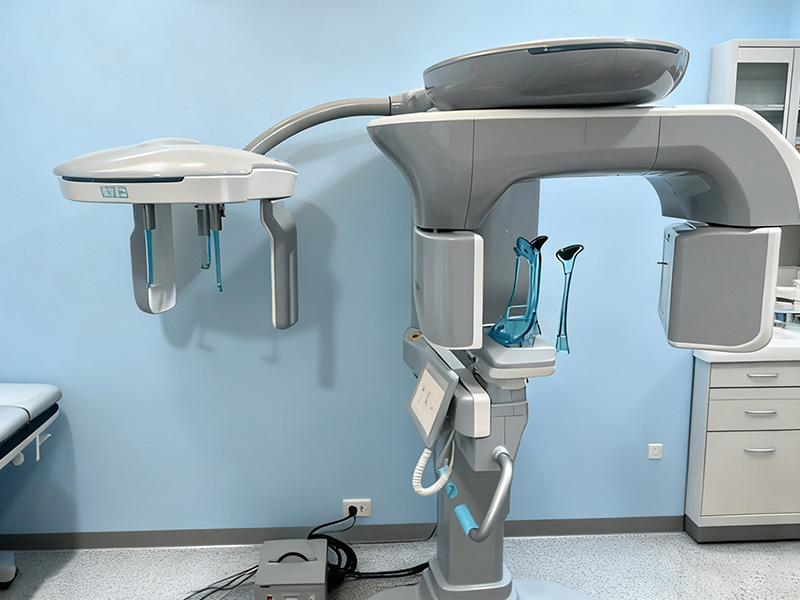
Before implant surgery begins, clinicians need reliable information about the patient’s oral anatomy.
This is where digital imaging and AI-assisted analysis become important.
CBCT: Three-Dimensional Diagnosis
Cone Beam Computed Tomography (CBCT) provides three-dimensional imaging of teeth, jawbones, and surrounding anatomical structures.
Compared with conventional two-dimensional dental X-rays, CBCT provides additional spatial information that can support implant assessment and treatment planning.
Important features to consider when selecting a dental CBCT system include:
- Field of View (FOV) options for different clinical applications
- Voxel size and image resolution
- Image reconstruction and analysis software
- Patient positioning and scanning workflow
- Data compatibility with other digital dental systems
For implant planning, the appropriate FOV and image quality should be selected according to the clinical indication rather than simply choosing the largest specifications.
AI-Assisted Image Analysis
AI is also becoming part of dental imaging software.
Depending on the system, AI-assisted functions may include anatomical structure identification, nerve canal visualization, image analysis, and automated reporting support.
These tools can help clinicians review imaging information more efficiently. However, AI-generated results should always be reviewed by qualified dental professionals.
3. Wireless 3D Intraoral Scanners: Bringing Digital Dentistry into Daily Practice
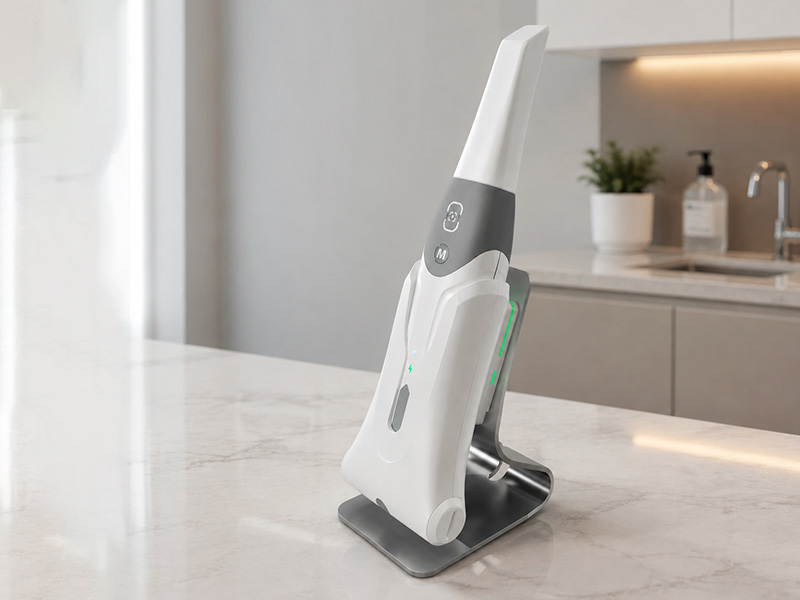
Digital impressions are becoming an important part of modern restorative and implant workflows.
Traditional impression materials remain useful, but intraoral scanners offer an alternative for capturing digital records of the patient’s teeth and oral structures.
Modern wireless 3D intraoral scanners provide several practical advantages:
- Flexible operation: Wireless designs reduce cable restrictions during scanning.
- Digital impressions: Capture three-dimensional information of the oral cavity.
- Implant scanning: Support digital records for implant-related restorative workflows.
- Patient communication: Allow clinicians to display scanned images and explain treatment plans.
- Digital integration: Help connect scanning data with compatible CAD/CAM and dental software systems.
When purchasing an intraoral scanner, buyers should evaluate scanning accuracy, scanning speed, software compatibility, battery life, sterilization requirements, and after-sales technical support.
The scanner should fit the clinic’s existing workflow rather than being purchased based on specifications alone.
4. Implant Dental Chairs: The Importance of an Efficient Surgical Workspace
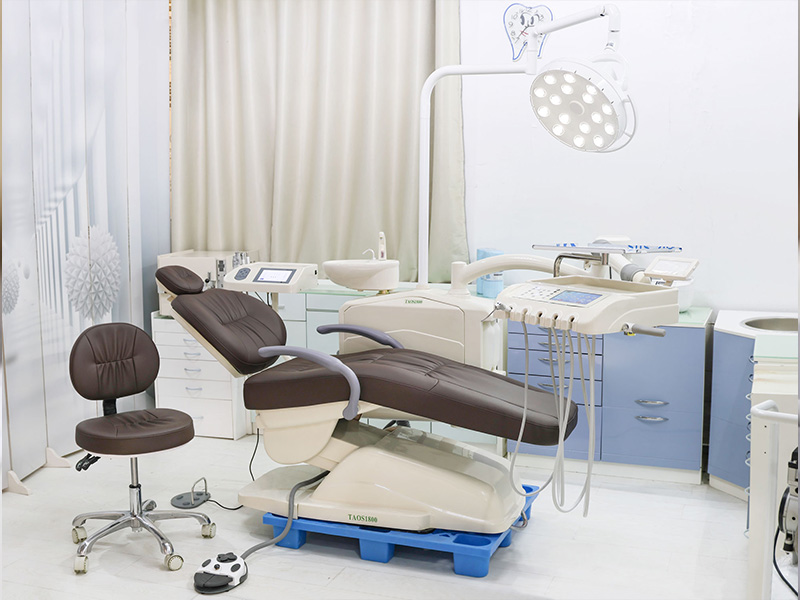
Advanced imaging and digital planning are only part of the implant workflow.
During surgery, clinicians also need a stable, comfortable, and well-organized working environment.
An implant dental chair should be evaluated according to several practical factors.
Ergonomic Patient Positioning
Longer surgical procedures require appropriate patient support and positioning. Cushion design, backrest movement, and chair stability can all influence the working environment.
Organized Instrument Layout
An organized operation area helps reduce unnecessary movement and makes instruments easier to access.
The positioning of the operation tray, instrument holders, monitor, and lighting system should support the dentist’s preferred working position.
Integrated Implant Functions
Some specialized implant dental chairs integrate implant motor controls and related surgical functions into the dental unit.
For example, the Lingchen TAOS1800i Emperor implant dental chair is designed with built-in implant functionality, touch controls for speed and torque, and a saline supply arrangement.
This type of configuration can help organize the implant working area and reduce dependence on separate equipment arrangements.
When comparing implant dental chairs, clinics should consider functionality, sterilization requirements, maintenance accessibility, and compatibility with their surgical workflow.
5. Infection Control: An Essential Part of Digital Dental Practice
As dental clinics invest in advanced imaging and surgical equipment, infection prevention must remain a priority.
Autoclaves are essential for sterilizing reusable dental instruments according to their validated cycles and applicable requirements.
Class B autoclaves are commonly considered by clinics that require vacuum-assisted sterilization processes for suitable instrument loads.
Important purchasing considerations include:
- Vacuum performance and drying capability
- Available sterilization programs
- Chamber capacity
- Cycle time and process documentation
- Water quality requirements
- Maintenance and technical support
A modern dental clinic should consider sterilization equipment as part of its overall equipment planning, not as an afterthought.
6. How to Build a More Connected Dental Equipment Workflow
Digital dentistry does not depend on one machine. It involves multiple devices working together.
A practical implant workflow may include the following equipment:
| Treatment stage | Recommended equipment | Main purpose |
|---|---|---|
| Diagnosis | Dental CBCT | 3D anatomical imaging |
| Digital impression | Wireless 3D intraoral scanner | Digital oral data acquisition |
| Treatment planning | Compatible planning software | Implant position assessment |
| Implant surgery | Implant dental chair and surgical equipment | Organized surgical workspace |
| Instrument processing | Class B autoclave | Instrument sterilization |
For clinics planning a new facility, the physical layout is equally important.
Electrical connections, water supply, drainage, compressed air, equipment dimensions, and maintenance access should all be considered before installation.
For larger projects, especially dental hospitals and university dental departments, planning the complete equipment configuration in advance can help reduce installation problems and unnecessary additional costs.
7. What Should Dental Clinics Consider When Investing in Equipment in 2026?
Not every clinic needs a robotic surgery system or a complete digital dentistry upgrade immediately.
The right investment depends on clinical demand, available budget, staff experience, and long-term development plans.
Here are five important considerations:
1. Clinical requirements
Identify the treatments performed most frequently and select equipment that supports those procedures.
2. Equipment compatibility
Check whether imaging systems, scanners, planning software, and other devices can exchange data in the required formats.
3. Total cost of ownership
Consider purchase price, installation, training, consumables, maintenance, and spare parts.
4. Technical support
Reliable installation guidance, operating training, and after-sales service are important when introducing new equipment.
5. Future expansion
Choose equipment configurations that allow the clinic to expand its services without replacing the entire setup.
Conclusion: Digital Dentistry Is About the Complete Workflow
The latest development in robotic-assisted implant surgery demonstrates how dental technology continues to evolve.
Robotics, AI-assisted imaging, CBCT, wireless intraoral scanning, and specialized implant dental chairs each contribute to different stages of modern dental treatment.
For dental clinics, the most valuable investment is not necessarily the most advanced individual machine. It is an equipment configuration that meets clinical needs, supports an efficient workflow, and remains practical to maintain over time.
At Lingchen Dental, we provide dental equipment and integrated solutions covering dental chairs, implant dental chairs, dental simulators, CBCT systems, intraoral scanners, autoclaves, and air compressors.
Whether you are equipping a new dental clinic, upgrading an existing practice, or planning a university dental training center, selecting the right equipment combination is the first step toward a more efficient dental workspace.
Looking for a dental equipment supplier for your next project? Contact Lingchen Dental to discuss your equipment requirements and project configuration.
Post time: Oct-31-2026